29 October 2026
What Is a Polymer Core? An Alternative for Tissue Manufacturers
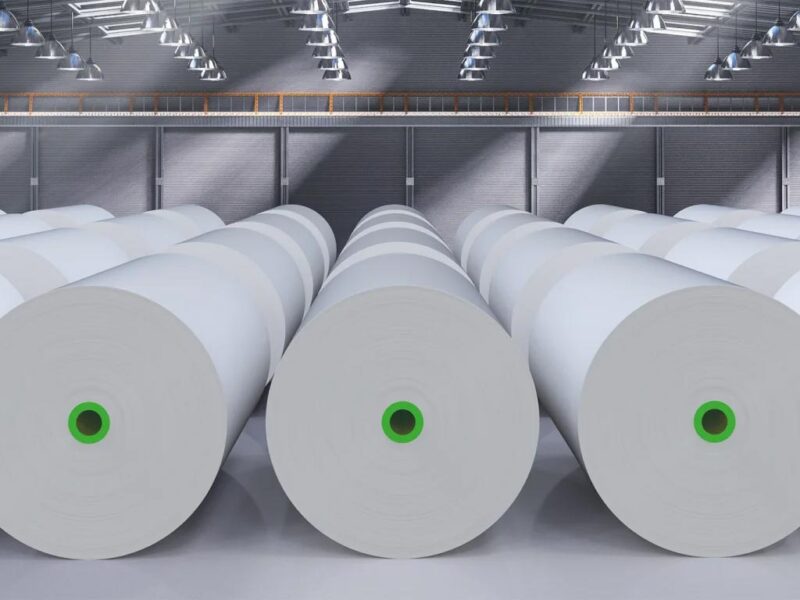
Tissue manufacturing depends on consistent materials at every stage of production. While the tissue itself receives most of the attention, the core supporting each roll can also affect winding, handling, storage and converting.
Traditional cardboard cores are widely used across the tissue sector, but they are not suitable for every application. A polymer core offers an alternative for manufacturers seeking greater durability, dimensional consistency and resistance to moisture.
At CPV, we understand that even a small component can influence the reliability of a production process. Here, we explain what polymer cores are and why tissue manufacturers may consider using them.
What is a Polymer Core?
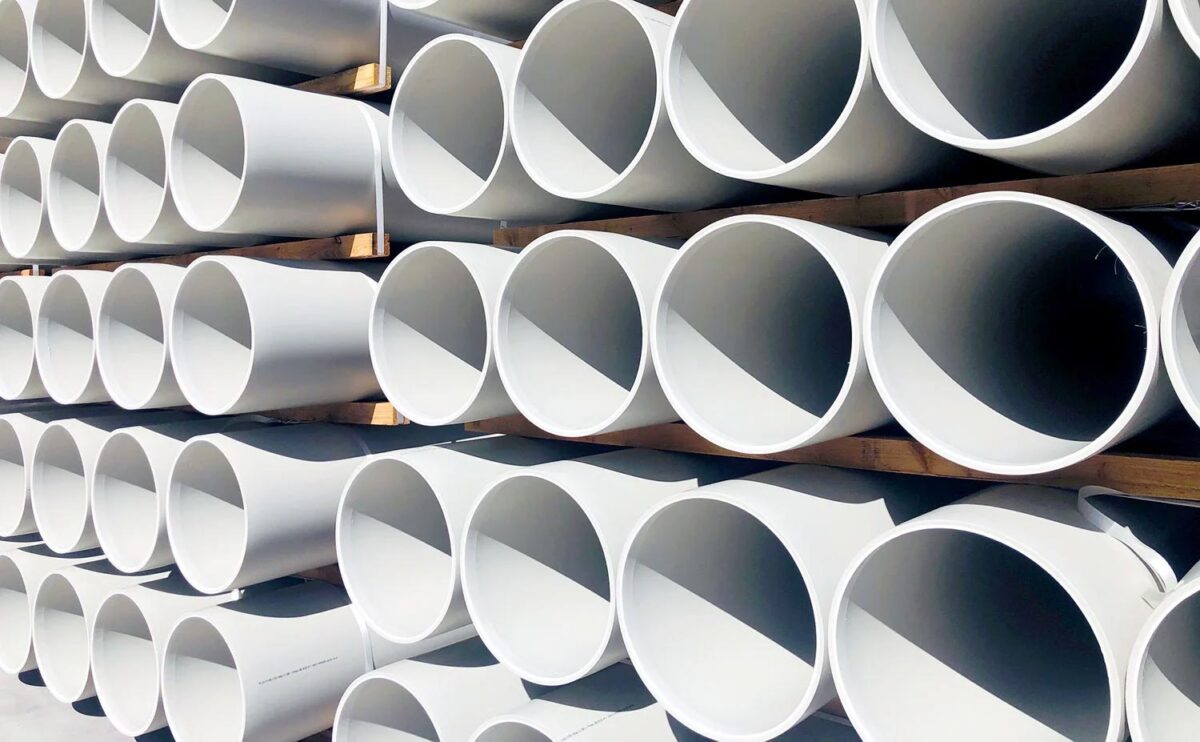
A polymer core is a cylindrical component produced from a polymer material rather than cardboard or paperboard. It sits at the centre of a tissue roll and provides the structure around which the tissue is wound.
Depending on the intended application, a polymer core can be manufactured to meet specific requirements relating to diameter, wall thickness, length and strength. Selecting the correct specification is important, as the core must work with the winding equipment, finished roll format and subsequent converting process.
The material gives polymer cores several practical characteristics. Unlike cardboard, polymer does not absorb moisture in the same way. It can also retain its shape when exposed to conditions that may cause a conventional fibre core to swell, soften or distort.
Why Consider an Alternative to Cardboard Cores
Cardboard cores remain a suitable choice for many tissue products. However, tissue manufacturers can encounter problems when cores are exposed to moisture, heavy loads or repeated handling.
A core that changes shape can create difficulties during unwinding or converting. Variations in internal or external diameter may affect how the roll fits onto machinery, while damaged edges can interfere with handling equipment. Cardboard can also produce dust and loose fibres, which may be undesirable in some production environments.
Polymer cores can provide improved resistance to these issues. Their rigid construction supports accurate dimensions and can help maintain a stable round shape throughout storage and use. This may be particularly valuable where rolls are large, production speeds are high or reliable alignment is essential.
The Benefits of Polymer Cores for tissue production
One of the main benefits is dimensional stability. A consistent core helps the roll sit correctly on winding and converting equipment, reducing the risk of movement caused by an uneven or distorted centre.
Polymer cores are also resistant to moisture. This can support dependable performance where humidity varies during production, transport or storage. As the core does not rely on layers of bonded paperboard, it is less likely to swell through contact with water or humid air.
Durability is another consideration. Polymer cores may withstand impacts and repeated handling more effectively than cardboard alternatives. Depending on the application and the condition of the returned core, some designs may also be suitable for repeated use. Any reuse arrangement should include appropriate inspection and cleaning procedures.
Cleaner handling can also be an advantage. Polymer does not shed paper dust or fibres, which can help manufacturers maintain a tidier production area and reduce material around machinery.
Choosing the Right Polymer Core
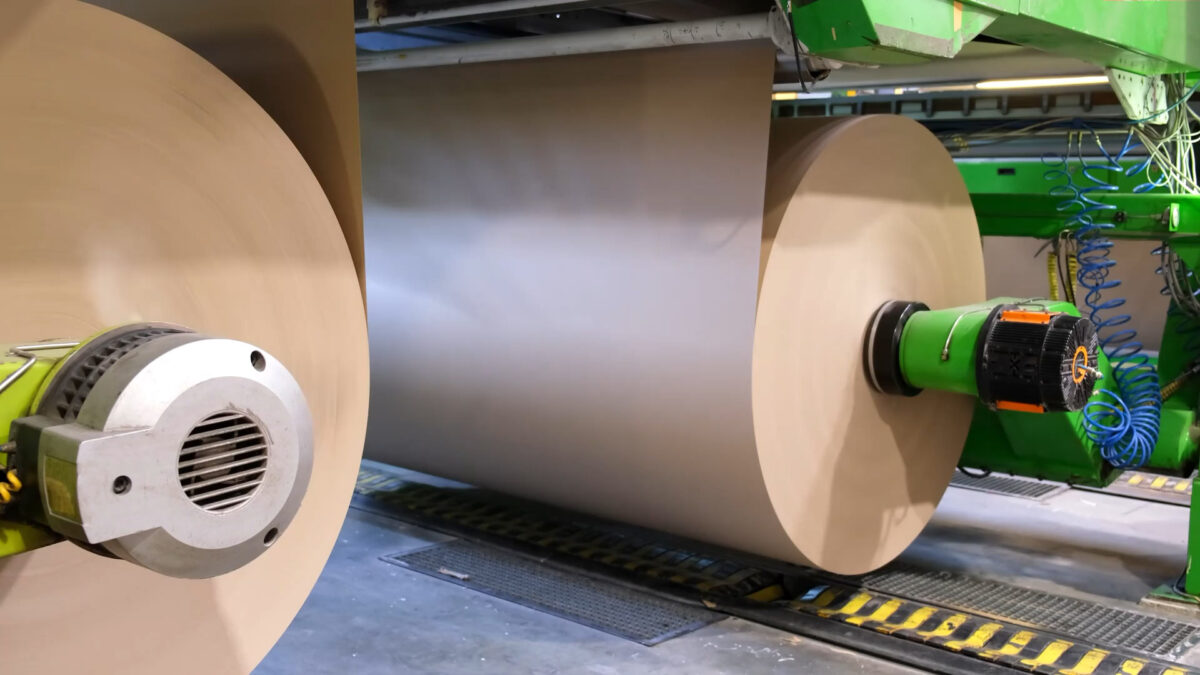
A polymer core should always be selected according to the demands of the production line. Core dimensions, load, winding tension, machinery and handling arrangements all need to be considered before changing from cardboard.
It is also important to assess the full working life of the core rather than focusing on the initial purchase price alone. Durability, storage conditions, damage rates, disposal routes and any reuse process can all affect overall value.
A trial may help confirm how a polymer core performs with your equipment and tissue format. Careful testing allows settings and handling processes to be checked before wider adoption.
Speak to CPV about Polymer Cores
If cardboard cores are creating issues with moisture, dust, damage or dimensional variation, a polymer alternative may be worth considering. CPV can discuss your application and help you identify an appropriate core specification for your tissue manufacturing process.
To learn more about polymer cores, get in touch with our team. You can also get a quote based on your required dimensions, quantities and production needs.